The evolution of casinos a journey through time and chance
The Origins of Gambling and Early Casinos
The concept of gambling dates back to ancient civilizations, where games of chance were a staple of social gatherings. Archaeological findings reveal that the earliest gambling activities involved rudimentary dice made from animal bones, believed to have originated around 3000 BC in Mesopotamia. These simple games laid the foundation for more structured gambling activities that would emerge in subsequent centuries. In today’s digital age, many players turn to online platforms for their gaming experiences, including https://betflare-online.net/, which captures the essence of traditional casinos.
As societies progressed, so did the sophistication of gambling. In Ancient Rome, for instance, wealthy citizens often indulged in games of chance during lavish banquets, where betting on gladiator fights became a thrilling pastime. The invention of playing cards in the 9th century further propelled the development of gaming. By the time the Renaissance rolled around, gambling houses began to emerge, offering more organized environments for patrons to enjoy these games of chance.
The transition from informal gatherings to established casinos began in the 17th century. The first official gambling house, known as the Ridotto, was opened in Venice in 1638. This venue set the standard for future casinos by providing a regulated space for gambling. Patrons could enjoy games like baccarat and other card games in a safe and structured environment, which marked a significant shift in how people approached gambling.
The Golden Age of Casinos
The 19th century marked what many consider the golden age of casinos, particularly in Europe and America. This period witnessed the establishment of iconic casinos, such as the Casino de Monte-Carlo in Monaco in 1863, which became synonymous with luxury and glamour. This casino not only provided a space for gambling but also became a cultural hub where the elite gathered to socialize and partake in entertainment.
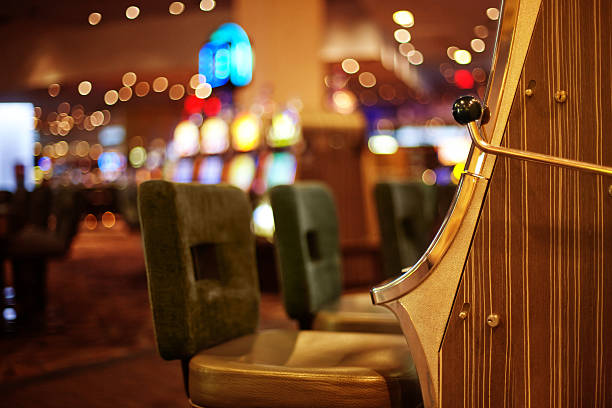
During this time, American gambling evolved with the establishment of casinos in places like New Orleans and later, Las Vegas. The introduction of slot machines in the late 1800s revolutionized the gambling landscape, making it accessible to a broader audience. These mechanical devices quickly gained popularity, offering a chance to win without the need for extensive knowledge of card games. The blend of chance and the allure of winning money attracted diverse crowds, fueling the growth of the casino industry.
The early 20th century saw casinos facing significant regulatory challenges as various governments sought to control gambling. Prohibition in the United States temporarily curtailed casino operations; however, the post-World War II era witnessed a resurgence. Las Vegas emerged as the epicenter of gambling, with grand hotels and casinos opening their doors to tourists seeking entertainment and the thrill of chance.
The Modern Casino Experience
In the late 20th century, the casino experience evolved dramatically, driven by technological advancements and changing consumer preferences. The rise of electronic gaming machines, video poker, and advanced slot machines transformed how patrons engaged with gambling. These innovations created a more interactive and immersive experience, attracting younger audiences who preferred modern technology over traditional card games.
Additionally, the concept of the casino began to expand beyond just gambling. Many modern casinos now include luxury hotels, fine dining restaurants, live entertainment, and shopping experiences, turning them into comprehensive entertainment complexes. This diversification caters to a broader demographic, allowing visitors to enjoy various forms of entertainment in one location, thereby enhancing the overall casino experience.
The integration of digital technology has also altered the landscape of casinos. Online gambling emerged in the late 1990s, enabling players to engage in games from the comfort of their homes. This transition paved the way for the rise of online casinos, which offer a wide array of games, including live dealer experiences. Players can now participate in gambling activities with just a few clicks, significantly broadening the audience and accessibility of casino gaming.
Global Perspectives on Casinos
Casinos today are not just confined to Las Vegas or Monte Carlo; they have become a global phenomenon. Countries like Singapore, Macau, and Australia have emerged as prominent gambling destinations, each offering unique experiences. Macau, often referred to as the gambling capital of the world, has surpassed Las Vegas in terms of revenue, attracting millions of visitors with its lavish resorts and extensive gaming options.
In Asia, the cultural approach to gambling differs significantly from the Western perspective. For instance, in Japan, pachinko parlors blend elements of traditional gambling with entertainment, appealing to a wide audience. These establishments have become an integral part of Japanese culture, showcasing the adaptability of casino gaming across various societies and regions.
Furthermore, regulations surrounding casinos vary widely across the globe. Some countries embrace gambling as a source of tourism revenue, while others impose strict limitations. This disparity creates a diverse landscape of casino experiences, catering to local preferences and legal frameworks. Understanding these global perspectives is essential for recognizing how casinos have evolved and continue to influence economies and cultures worldwide.
The Future of Casinos
The future of casinos is poised for further evolution, particularly with advancements in technology and changing consumer behavior. The rise of virtual reality and augmented reality technologies promises to revolutionize the gaming experience, offering immersive environments that blur the lines between reality and virtual interactions. Players may soon find themselves in fully interactive gaming worlds, enhancing the thrill of chance.
Moreover, the increasing popularity of mobile gambling reflects the industry’s adaptation to consumer preferences. With smartphones becoming ubiquitous, players can access their favorite games anytime, anywhere. This convenience is reshaping the casino landscape, leading to an emphasis on mobile-optimized platforms and apps that cater to the on-the-go player.
In addition, the importance of responsible gambling has taken center stage in recent years. As casinos continue to expand, there is a growing emphasis on implementing measures to promote safe gambling practices. This focus on player protection aims to ensure that gambling remains a form of entertainment rather than a source of harm, fostering a healthier relationship between players and the gaming industry.

Betflare Casino: A New Era in Online Gaming
In the evolving landscape of casinos, Betflare Casino stands out as an exciting online gaming platform. With over 7,500 diverse games, including slots, table games, and live dealer experiences, it offers a vibrant gaming environment that replicates the luxury of traditional casinos. Players can enjoy a wide range of gaming options, ensuring that there is something for everyone.
Betflare Casino prioritizes user experience and security, making it a reliable choice for both new and experienced players. New users are welcomed with generous bonuses, including a 250% welcome package and 300 free spins, enhancing the thrill of starting their gaming journey. The platform also provides 24/7 customer support, ensuring that players receive assistance whenever needed.
As the online gaming landscape continues to evolve, Betflare Casino remains committed to providing a seamless and engaging gaming experience. With various secure payment options available, players can confidently enjoy their favorite games, unlocking a world of thrilling opportunities right from their homes or on the go.